
OUR IMPACT
Joliba’s approach is rooted in local knowledge, community ownership and long-term sustainability.
Together with our supporters, we are helping thousands of people to restore their land, biodiversity and the natural resources on which their livelihood depends.
Joliba has worked directly on grassroots projects in Mali for over 30 years. We know the country and its people well and are able to address people’s greatest priorities. An outstanding feature of our work is that we achieve an enormous amount at low cost with the donations we receive.

Sustaining Rural Livelihoods
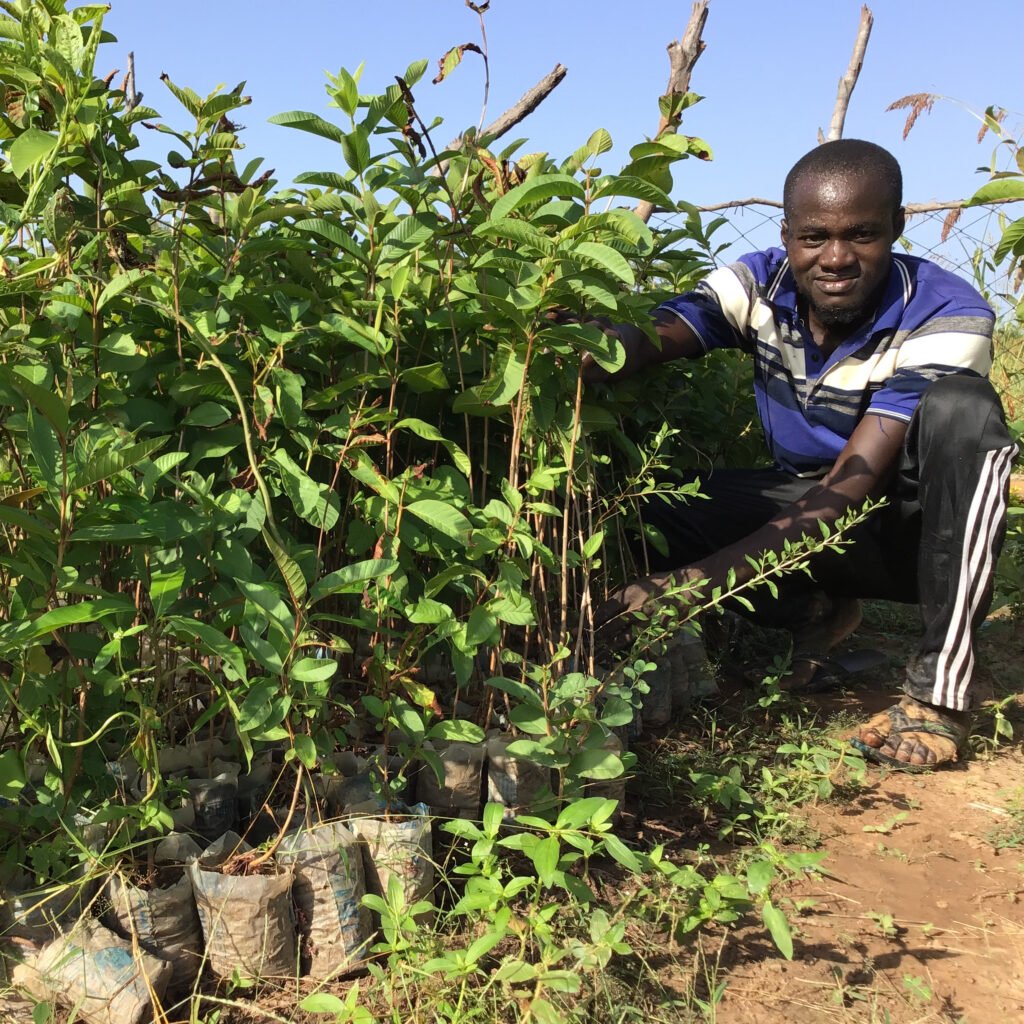
Most people live from the land in Mali. Hotter temperatures, shorter and less predictable rainy seasons and soil erosion are making survival impossible in many areas and forcing people to migrate in search of work.
We help rural people to restore their livelihoods and adapt to climate change.
In the last year
- 834,000 new trees were grown
- 41,362 tonnes of compost were produced to improve crop yields
- 16,000 acres of desertified farmland were restored
- 11,819 volunteers in 189 villages were trained in sustainable agriculture
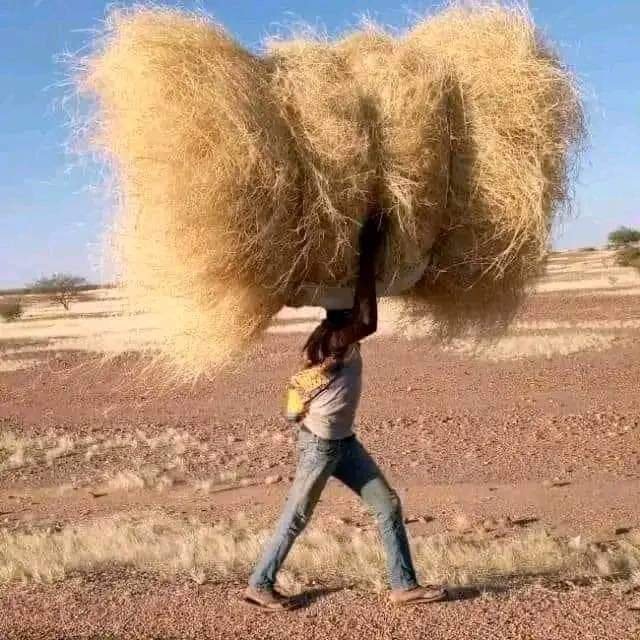
- 150 tonnes of animal fodder were produced for livestock
- 102 hectares of sand dunes destroying fertile land were stabilised
Our Stories
Sekou – a farmer
I have a 3-hectare sloping field for millet cultivation which is very degraded. I was struggling to feed my family so after each harvest I went to look for labouring work in town. I often had trouble finding work and I came back having taken out loans to buy food.
Today, thanks to Joliba’s support in our village, I have invested in the construction of stone barriers to hold rainwater and topsoil and in making compost. I harvested 8 cartloads of millet this year. I have been able to pay a large part of my loans and my family now regularly eats three meals a day.
Water Means Life
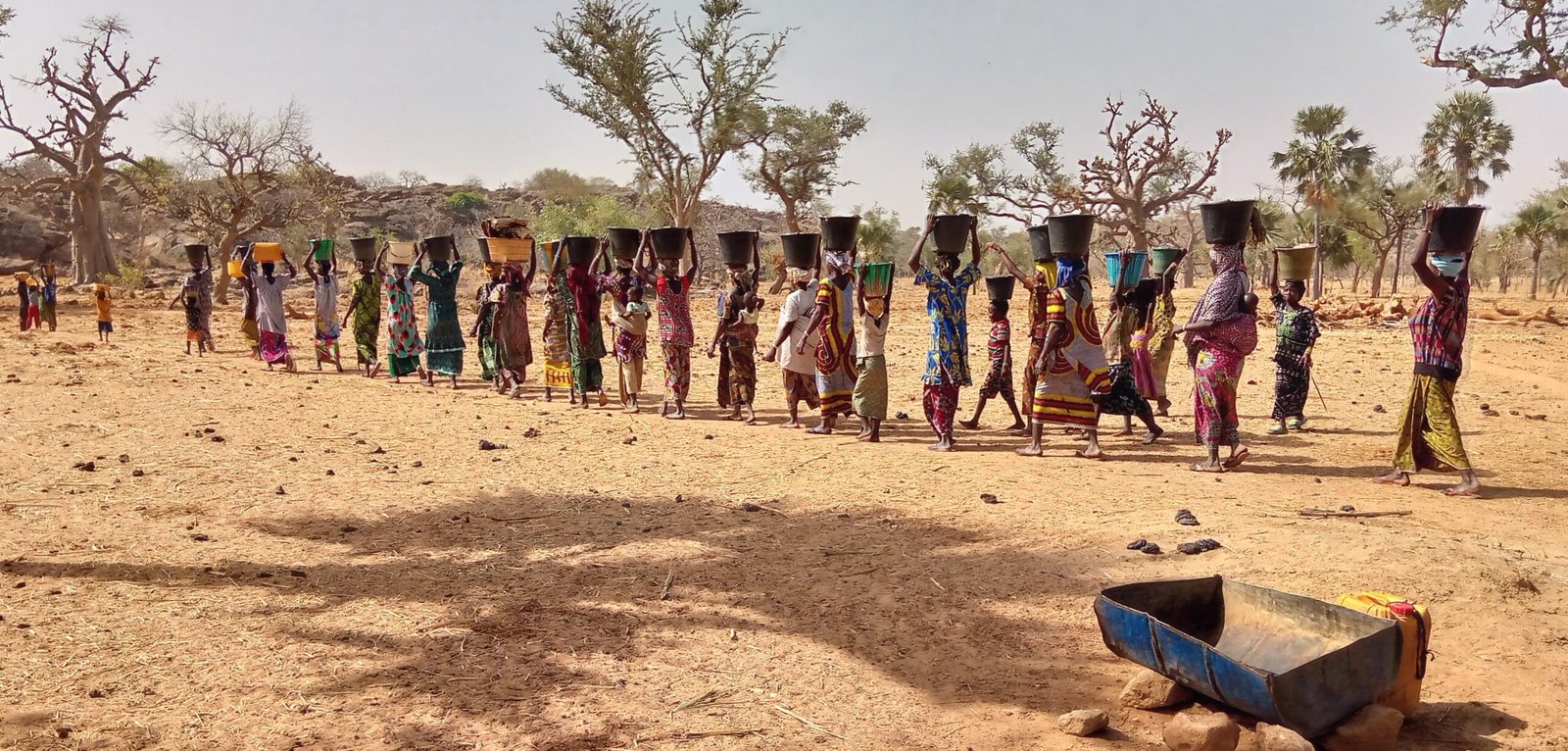
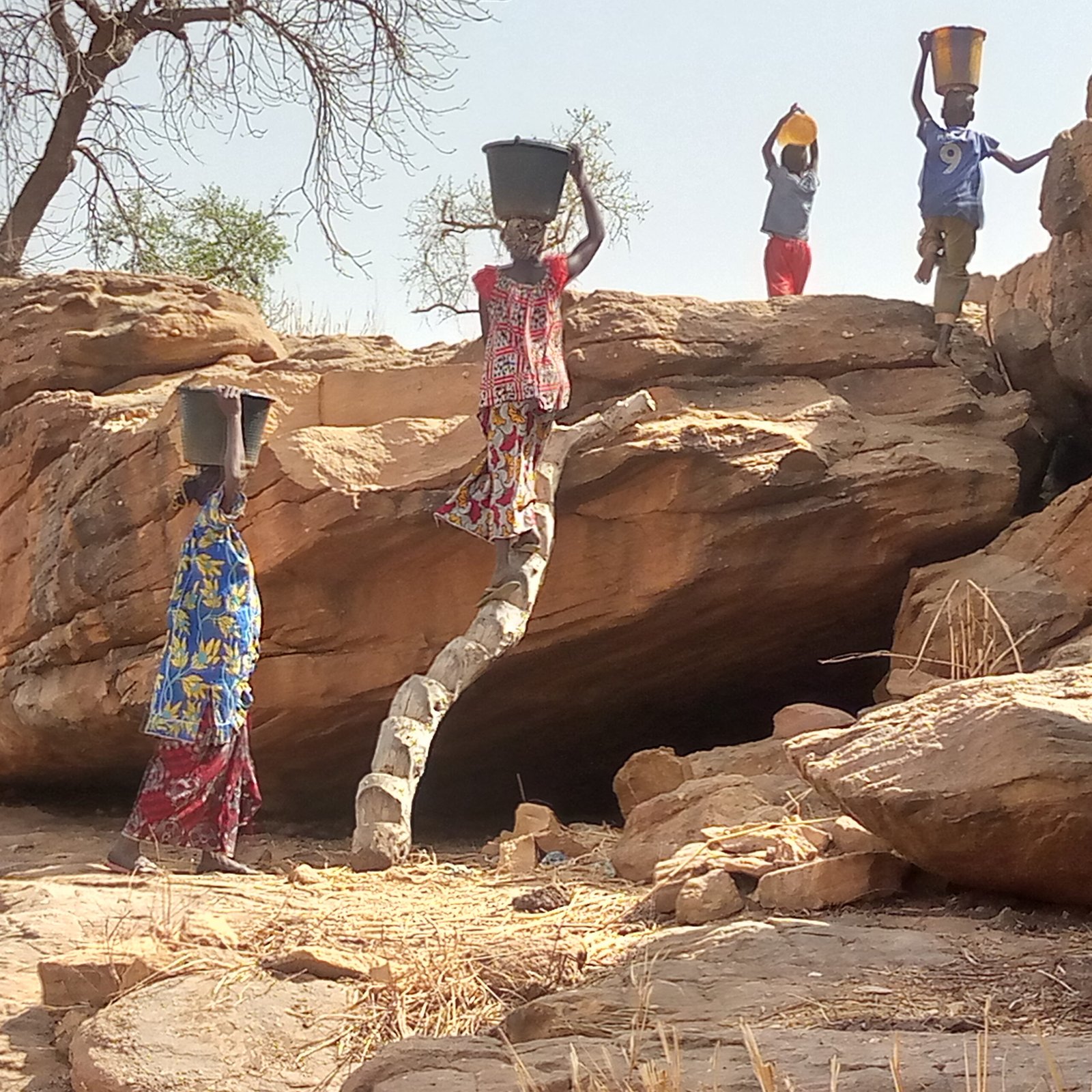
Rural people in Central Mali are suffering from one of the worst water shortage emergencies in the world. Most people still draw their water from unsafe hand dug earth wells. These are flooding and collapsing in more violent monsoon rains, leaving villages with no water at all.
We are building durable modern wells and restoring boreholes and water infrastructure for villages, schools and health centres suffering from a desperate need for water.
In one year
- 30 new wells were constructed
- 55,000 people gained access to clean and reliable water
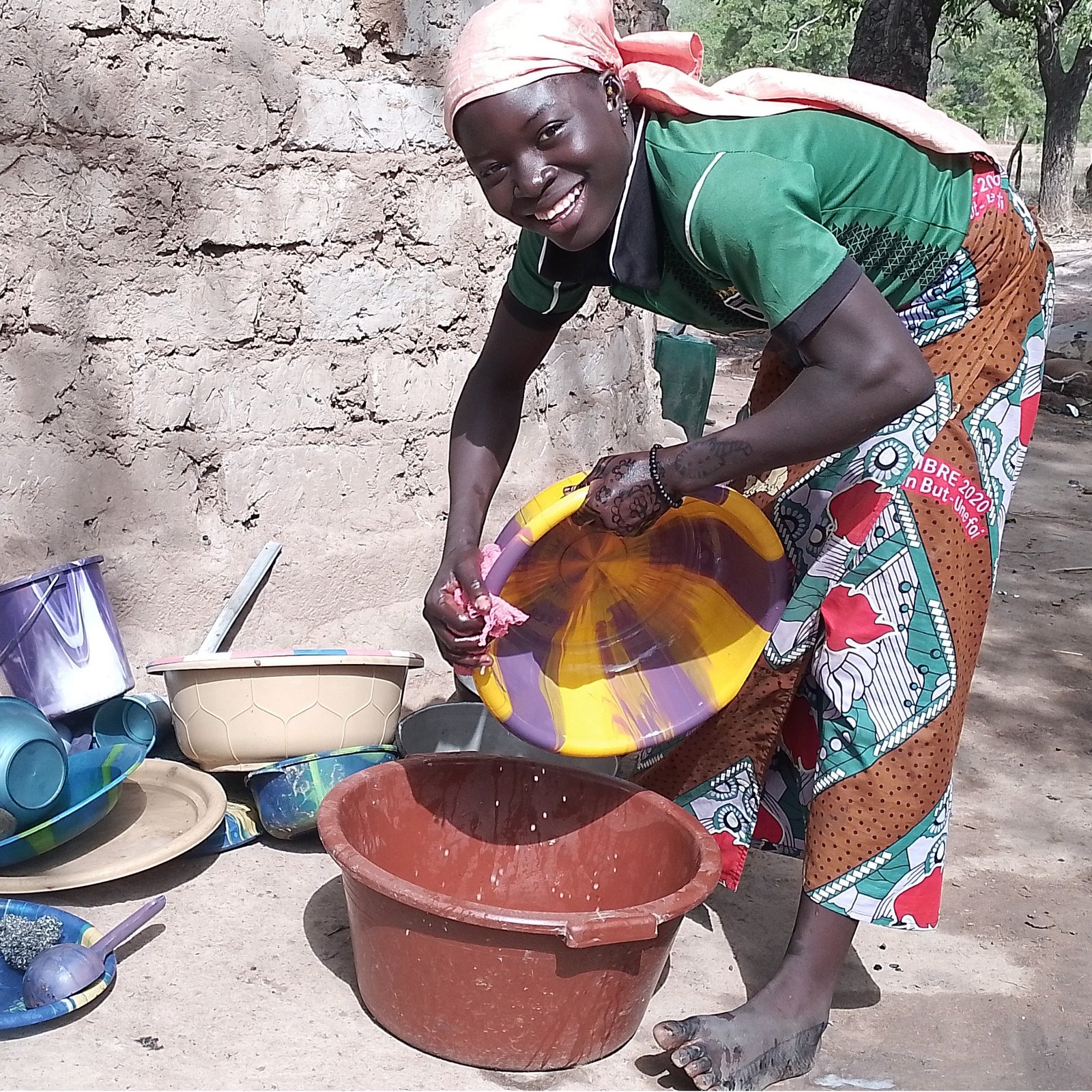
- Water means that women and girls no longer spend time and energy collecting it – girls can go to school, women can undertake worthwhile economic activities.
- Water means livestock can be kept, families can eat more than one meal a day, houses can be repaired.
- Water means people can wash themselves and their clothes and young people are not forced to migrate.
Our Stories
Elisabeth – a household manager
For a good three years, every day we walked 30km to get water and there too just to drink and prepare meals. There was no question of washing. During these three years, no woman became pregnant, no baptism, no marriage was celebrated in the village. Even on feast days we had to go to fetch water first. This water chore has made us poor.
We had no small businesses, no livestock-raising, our clothes are torn everywhere. We eat very badly… This was our life before the well was built. Today thanks to you we have water in our village, we sleep very well. I prepare the two meals a day, and to help us get back on our feet each man gave a bag of millet to his wife and following the sale of millet, we have started to carry out small businesses (trading in the market) and raising livestock. It thanks to all those who from far away or near who allowed us to have water…
Opportunity for Women & Young People
Economic opportunity is essential if families are to remain in their communities and build sustainable futures.
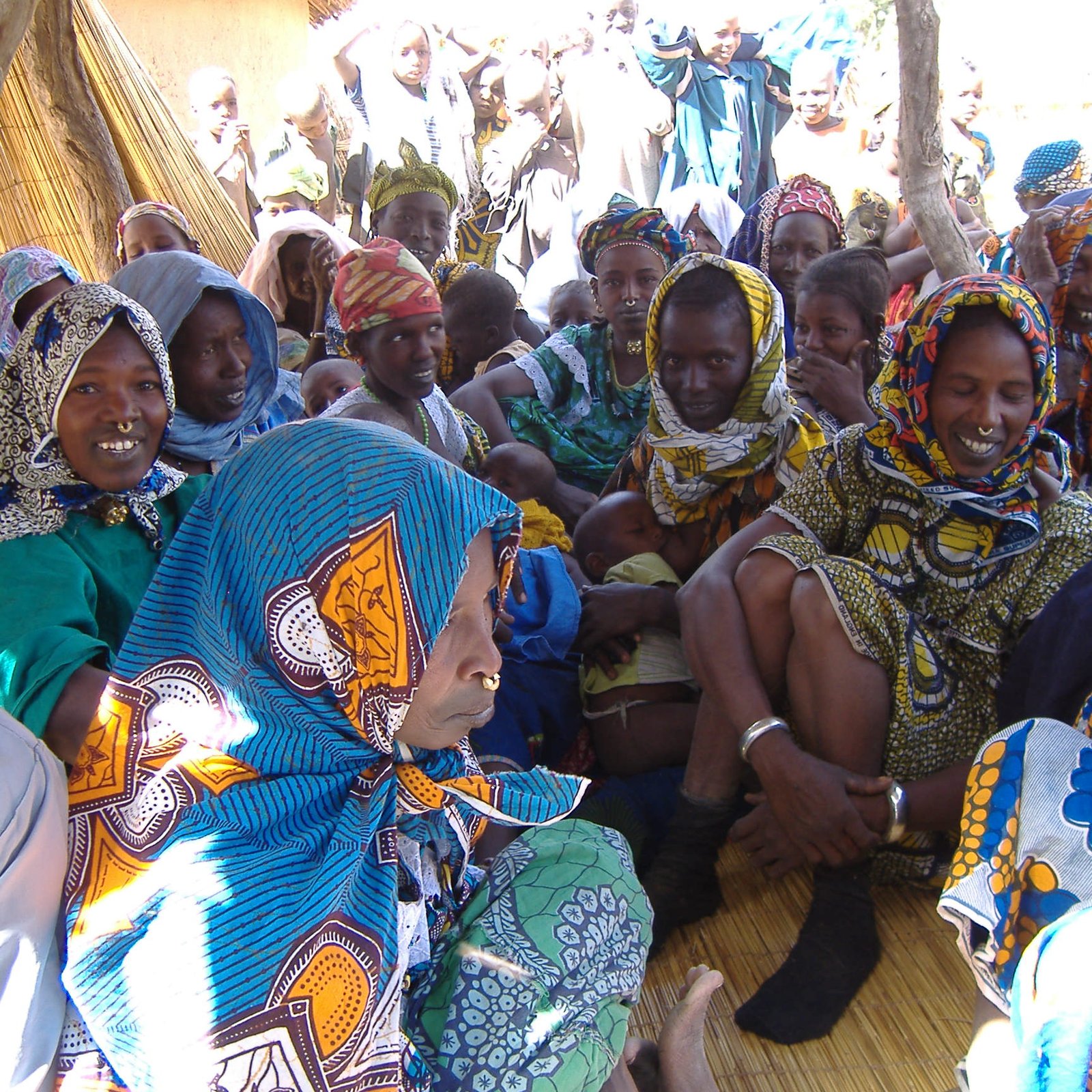
We support some of the most vulnerable people in the community, particularly women, young and displaced people.
In one year
- 3,000 women improved their incomes
- 500 young people benefited from livelihood programmes
- 430 women were trained in organic fertiliser production and market gardening
- 121 traditional Birth Attendants from 36 villages received specialist training
- 190 displaced people rebuilt independent livelihoods
Our Stories
Aboubacar – a young grower
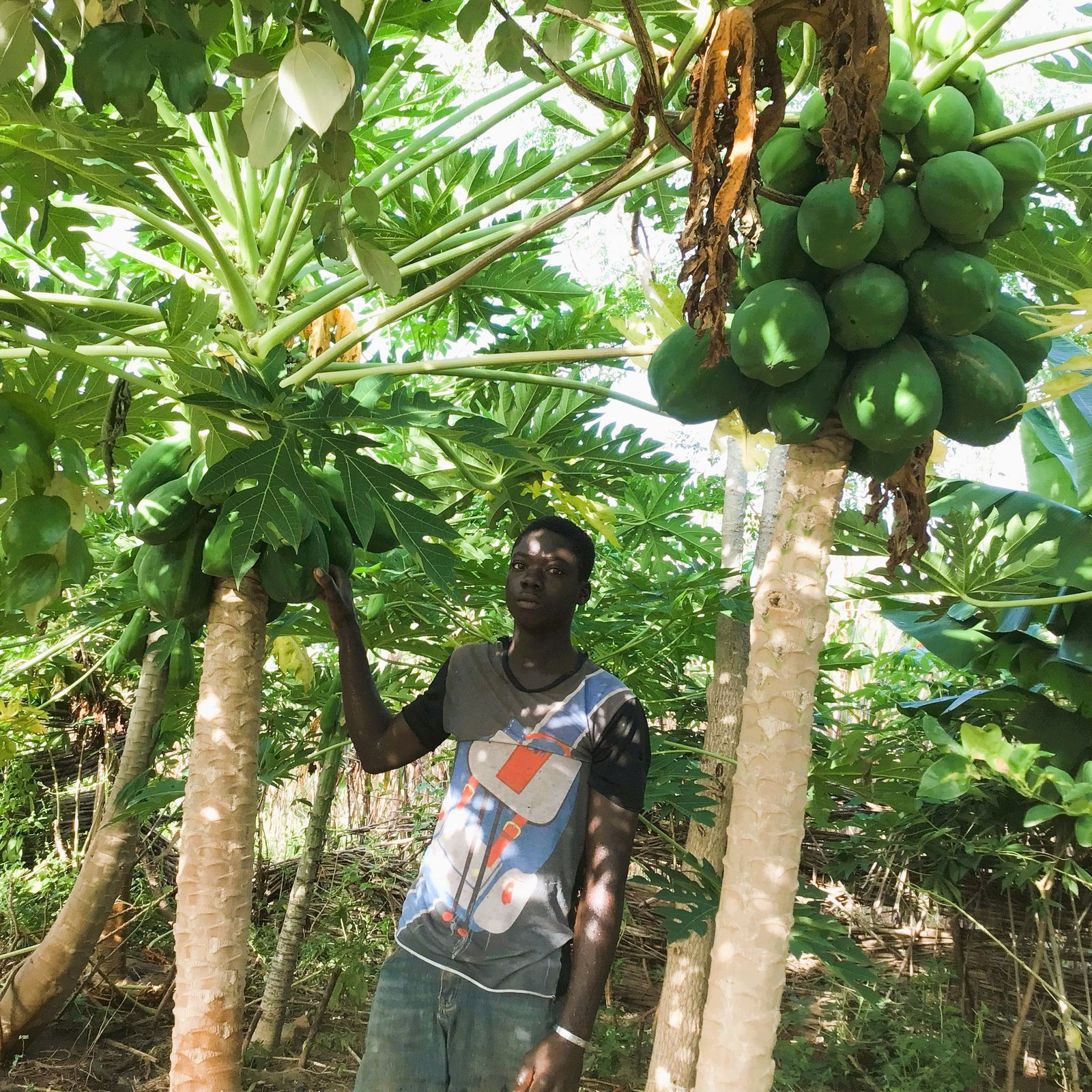
Every year after the harvests I went to work in gold mines. For five years I never earned anything. I left with my best friend and he died in the mine shaft. As soon as I learned about the orchard project I applied and by the grace of God I was selected.
I dug two water troughs and planted 200 papaya saplings. After 7 months I started harvesting fruit and raised £1800 not counting the fruits we consumed in our family and those I gave to neighbours and friends. I am really happy and I sincerely thank those who have trusted me and helped me.
Nutrition & Maternal Health
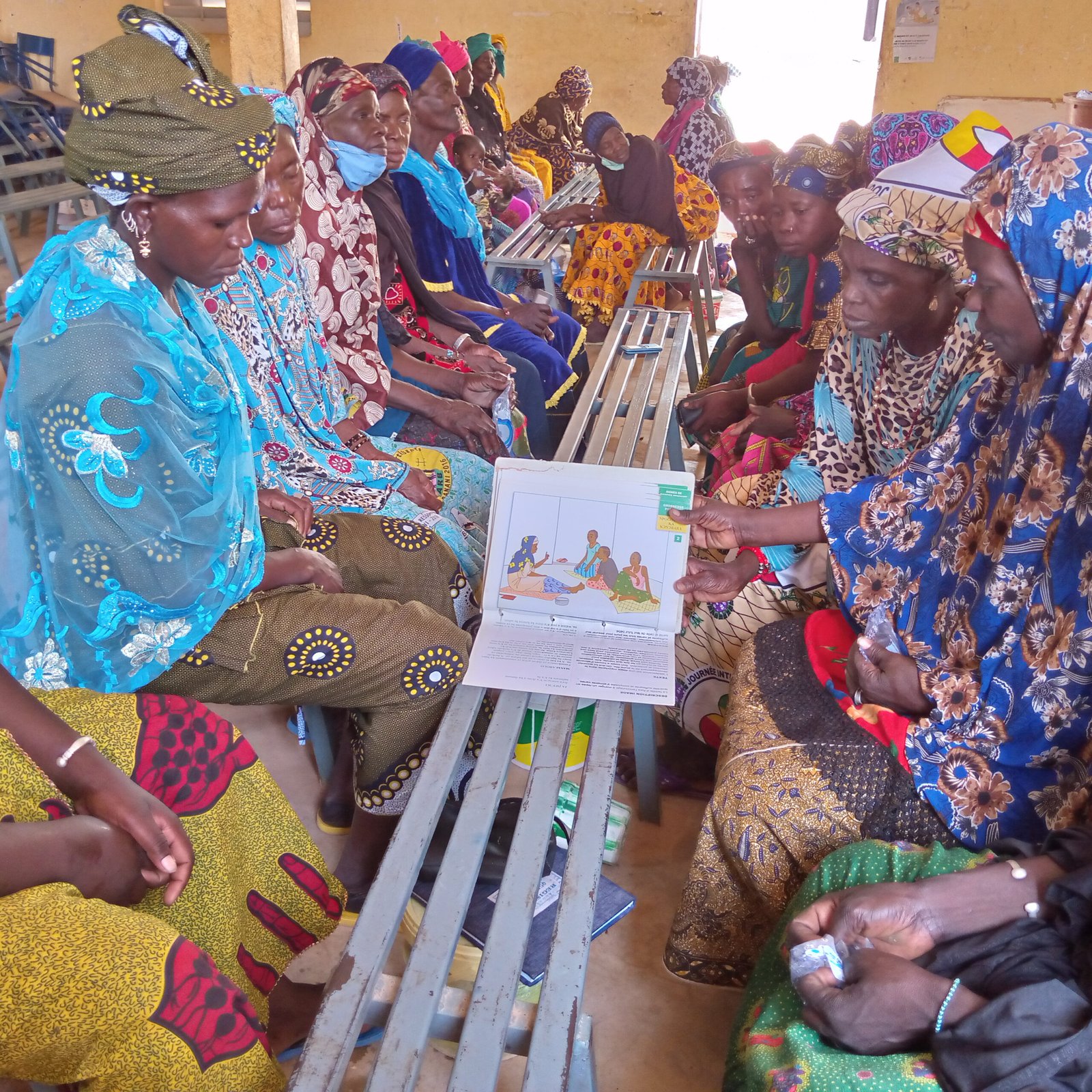
In rural Mali, most women give birth at home with the assistance of a Village Birth Attendant. Maternal mortality is high, which is often due to malnutrition and anaemia, infections such as malaria and typhoid, and because women and girls who have complicated births do not manage reach a health centre.
We improve the quality of maternal healthcare at home and access to emergency medical care.
In the last year year
- 121 traditional Birth Attendants from 36 villages received training to reduce maternal mortality
- 2 new moped ambulances were provided so that people could access health centres in emergencies
Our Stories
Aissa
I have been in practice for 5 years but had never received any training. I had a case where a pregnant woman had a terrible headache and the training has allowed me to understand that it can be due to high blood pressure. Unfortunately she lost the baby.
I became aware of the signs of danger in a pregnant woman and the signs of danger in a newborn. I had a case where the newborn was not breathing well but by the help of God he was able to get out of it. This training was very useful for me.