

OUR WORK
We work with people on the frontline of climate change – helping them to adapt and sustain their livelihoods so that they are not forced to migrate, and working to reduce extreme poverty
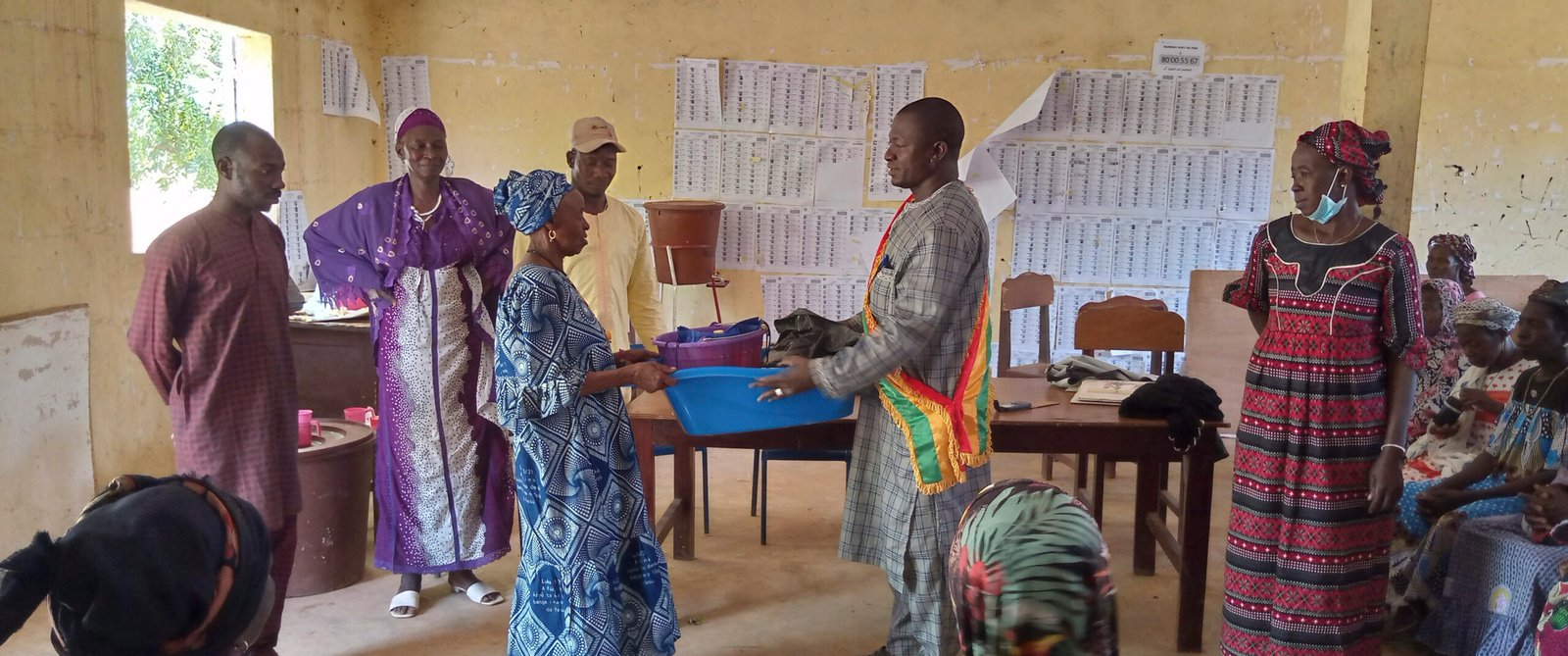
Our work is carried out by local volunteers and is highly cost-effective.
We provide an integrated programme of support in order to make a real difference and to help to bring lasting change.

Sustaining Rural Livelihoods
Mali is dry for 9 months, followed by 3 months of the most explosive monsoon rains in the world. Dry, impacted soil cannot absorb water and rapid surface run-off carries away fertile topsoil. With hotter temperatures and a shorter, less predictable, rainy season it is far more difficult to grow food. People are also losing the natural resources that they depend on for survival.
We help people to recover the natural resources they depend on.
Our initiatives include
- climate change adaptation through regenerative farming & agro-ecology
- dune stabilisation
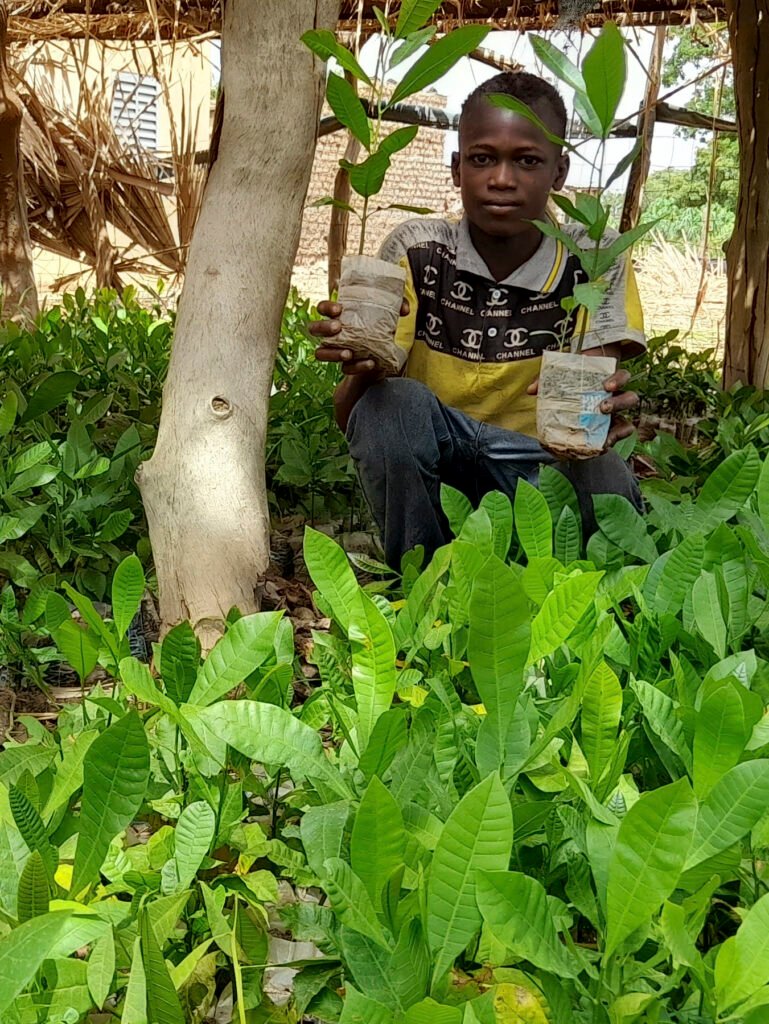
- tree planting, nature and biodiversity regeneration
- creating orchards
- providing more varied, and more drought resistant seed crops
- improving the value of small sustainable livestock herds
- pasture regeneration & livestock fodder schemes
- fuel-efficient stoves
£20 could buy 40 grafted fruit trees to feed a family for life
Our Stories
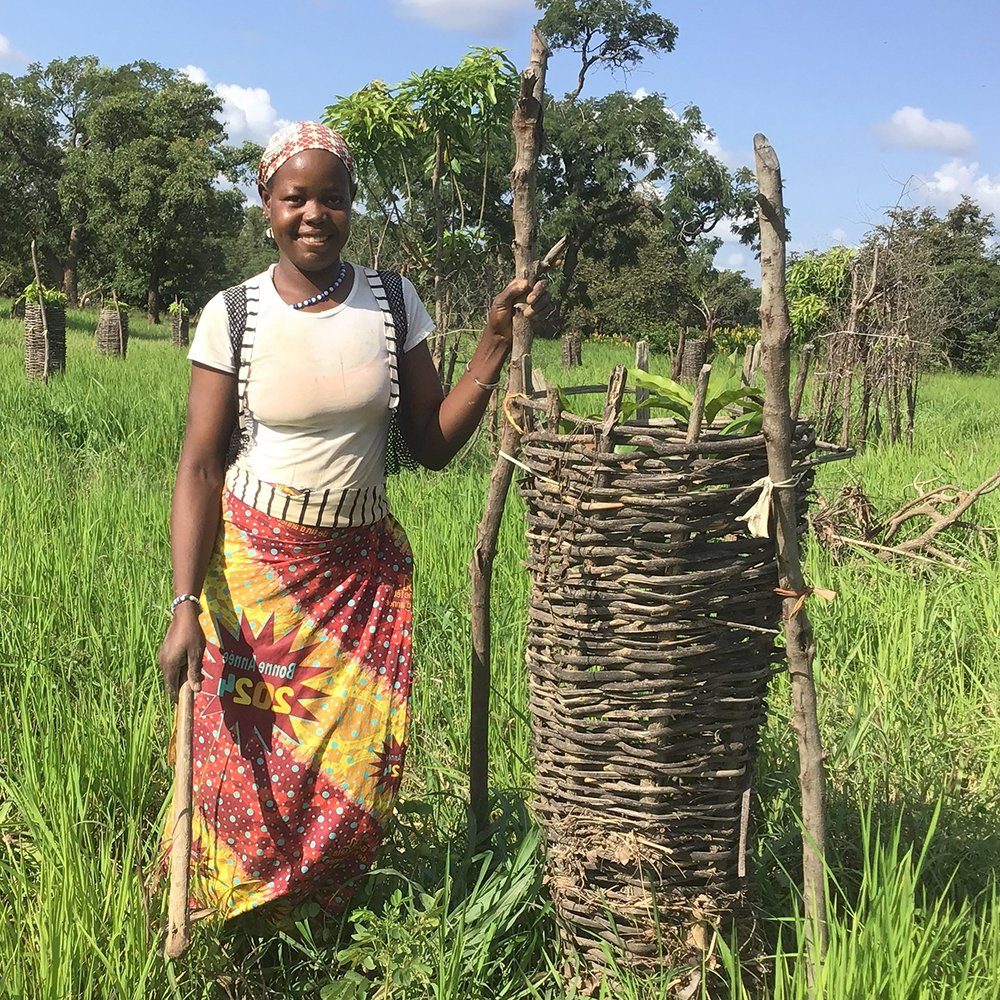
Awa – a fruit grower
I was born and raised in Karangana. Like all the young people of the village, every year we migrate to Cote d’Ivoire from January to May to work on their harvests (coconut and cocoa plantations). There are years when I earn money which I send to my family and there are years when I am just given food for my work. We can go for two days without eating and we go through all kinds of suffering and humiliation.
This year, thanks to Joliba’s support I stayed in the village. I received 8 rolls of wire mesh (for fencing) and 200 grafted mango saplings. In May of this year I was able to harvest the first fruits. I am very happy to work for myself.
Water Means Life
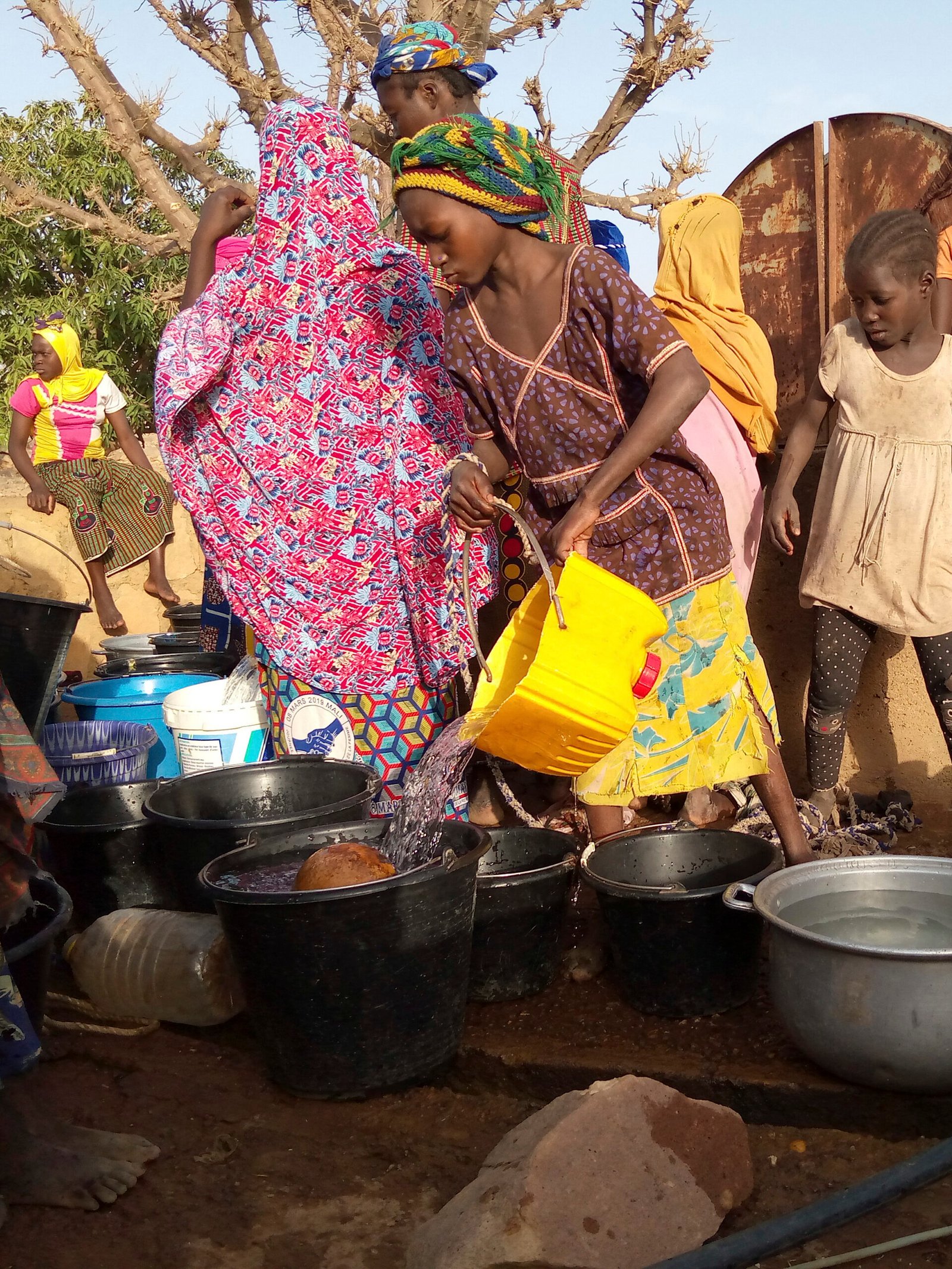
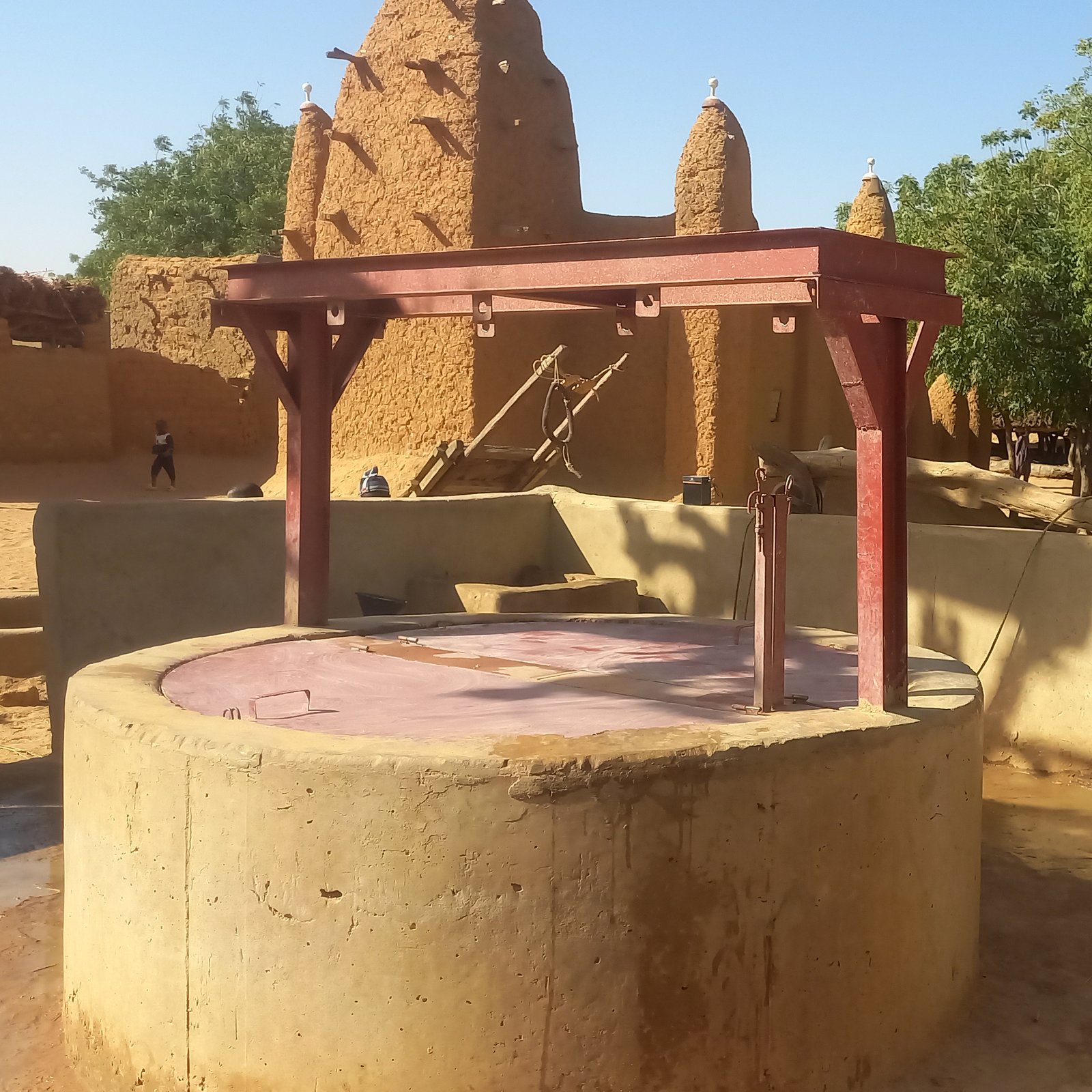
The area in which we work in Central Mali is suffering from a water shortage emergency. Over half the population – 60% of people – relies on a traditional earth-dug well for their water supply and these are dangerous and unhygienic. With far more violent monsoon rains, the earth wells are collapsing. It is no longer possible to dig earth wells in sandier soil and the water table has fallen, so people are left with nothing.
We help people access cleaner, safer water
Our initiatives include
- new water provision like wells
- water for schools and health centres
- restoration of existing safe & durable water resources
- pond restoration for market gardening
- water emergency relief
£6.14 a week will pay for a long-term source of clean water for a family
Our Stories
Akougnon – a village councillor
We are big producers of millet. In a year of good rainfall, not only our production feeds us but also the surplus is sold to buy animals. With the water crisis we sold all the animals.
Now that we have our well (and water for them to drink), people have already started to replenish the livestock by buying goats and or sheep. We have sold the millet we have accumulated because we were eating only one meal a day. Life has returned to the village and everyone is going about their business and this is thanks to you who have agreed to help us. Thank you and thank you for everything…
Opportunity for Women & Young People
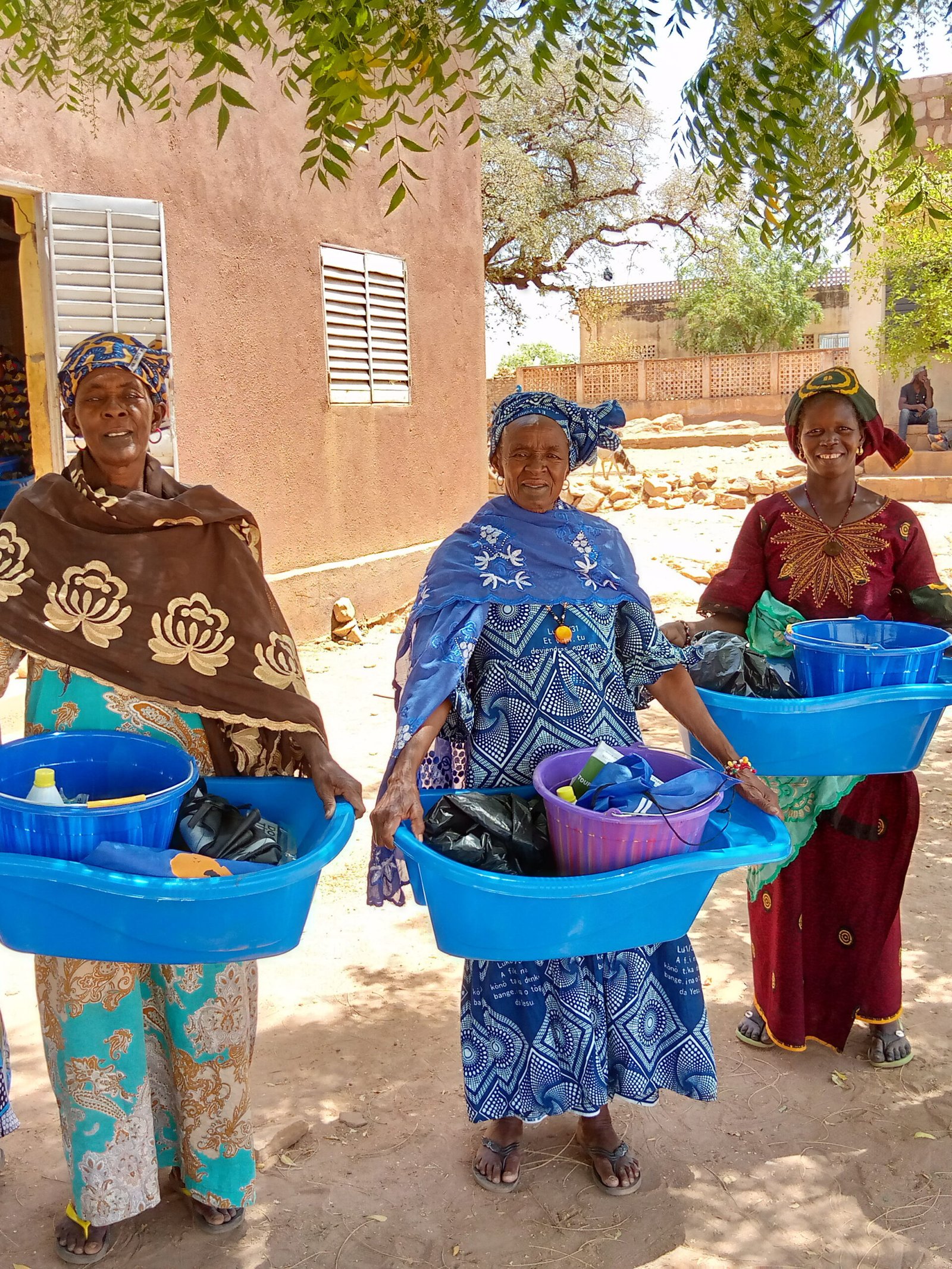
Women and young people in Mali face significant challenges caused by poverty, climate change, and limited opportunities. Women have restricted access to education, training, finance and paid employment, and carry the burden of caring for their families. Young people face high unemployment, limited vocational opportunities and declining prospects in agriculture.
We support women’s livelihoods, enterprise opportunities for young people & help displaced people return home.
Our initiatives include
- supporting market gardening and adding value to crops
- vocational training for women, young people providing alternatives to migration
- health and nutrition training for women and girls
- Birth Attendant training
- beekeeping
- micro-credit schemes
- supporting displaced people to return home
£195 can train and provide life-saving equipment for a Birth Attendant
Our Stories
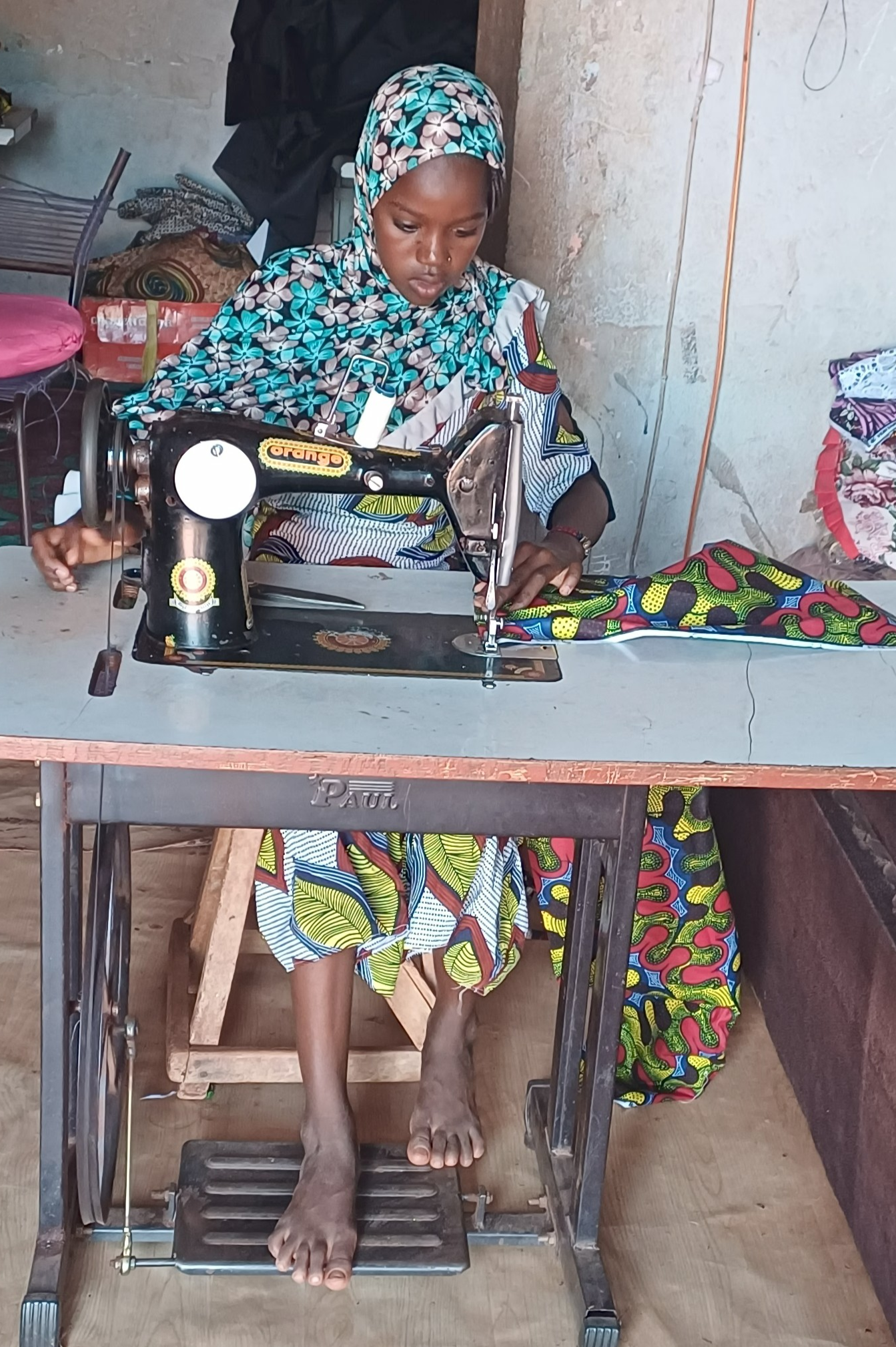
Hawa – a seamstress
I am 20 years old and our family have been refugees since 2018. Because of the insecurity in our locality, we lost everything. I was a student and my education ended. Then (in the refugee camp) our biggest concern was how to have food. I did several small jobs to earn money to help my parents. I was even almost married to an old man who offered to take care of my family’s expenses. Fortunately for me the old man died. I didn’t know what to do with my life. I didn’t even have the chance to sell milk like my mother because we don’t have any animals.
Today, thanks to Joliba, I’m learning to be a Seamstress. It’s really a great chance for me. In our villages, there are no tailors. Thanks to this training we will be able to create a workshop. Two of us will specialise in the sewing of women’s and children’s clothes and the other two in our group will make men’s clothes.
I am very grateful. This training gives me hope. I am learning a job that allows me to feel useful and to think about my future with more confidence. Every day I discover new techniques and I get closer to my dream of becoming a professional seamstress and being able to support myself. I sincerely thank Joliba and all her partners for this life-changing opportunity for many other displaced girls like me.
Nutrition & Maternal Health
The maternal death rate in Mali is 562 deaths per 100,000 births with 24% of women of childbearing age dying of childbirth related causes (in the UK it is 0.1%). In the remote rural areas where we work the statistics for maternal and child mortality are unreported and are much higher than the national average.
We provide vital training and equipment for women’s health.
Our initiatives include
- training in important hygiene
- providing information on nutrition for pregnant women
- prevention of malaria and sexually transmitted diseases
- supporting prenatal and postnatal consultations
- training in recognition of danger signs during and after childbirth and in newborn babies
- providing emergency transport to health centres
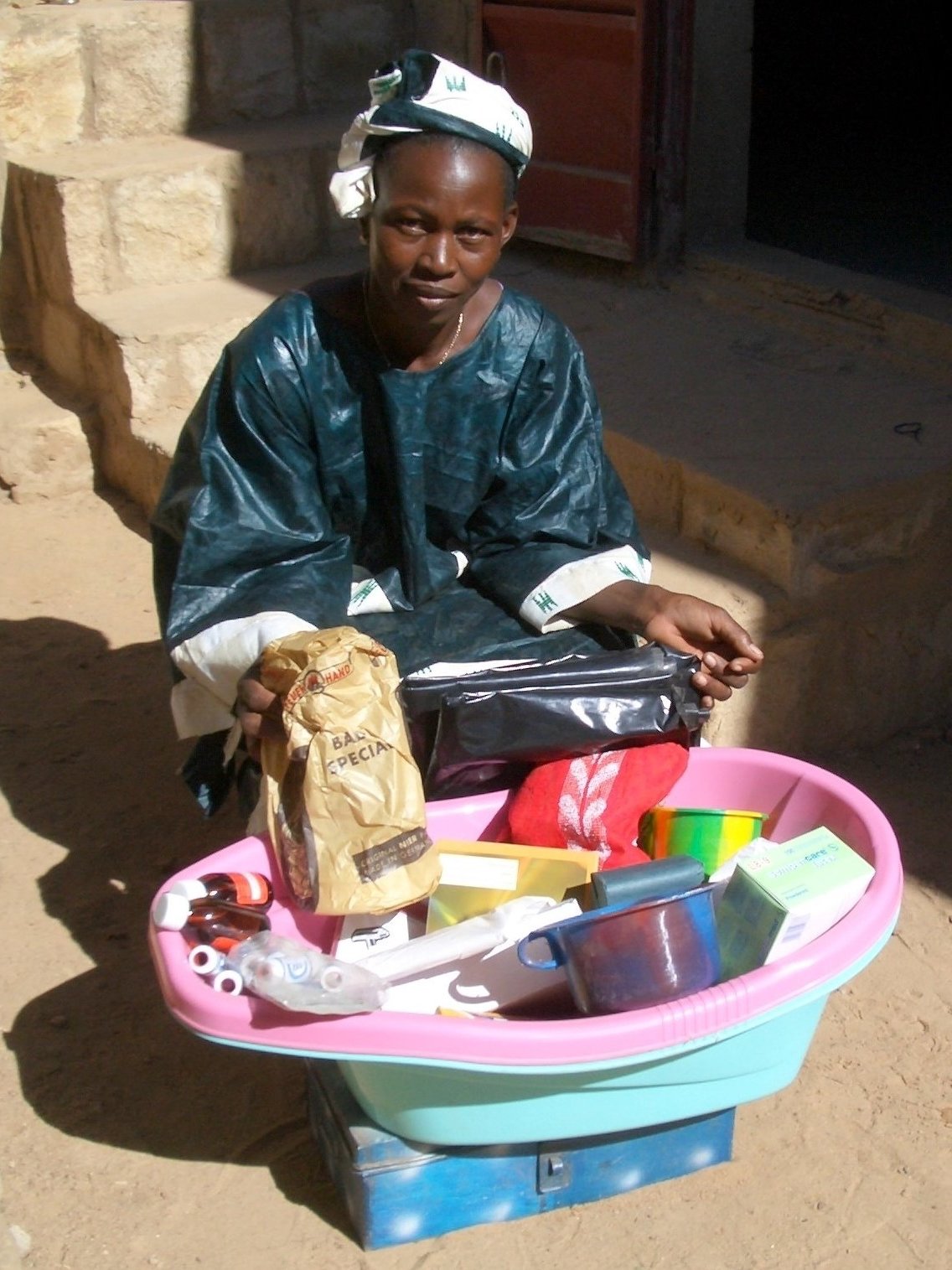
£195 can train and provide life-saving equipment for a Birth Attendant
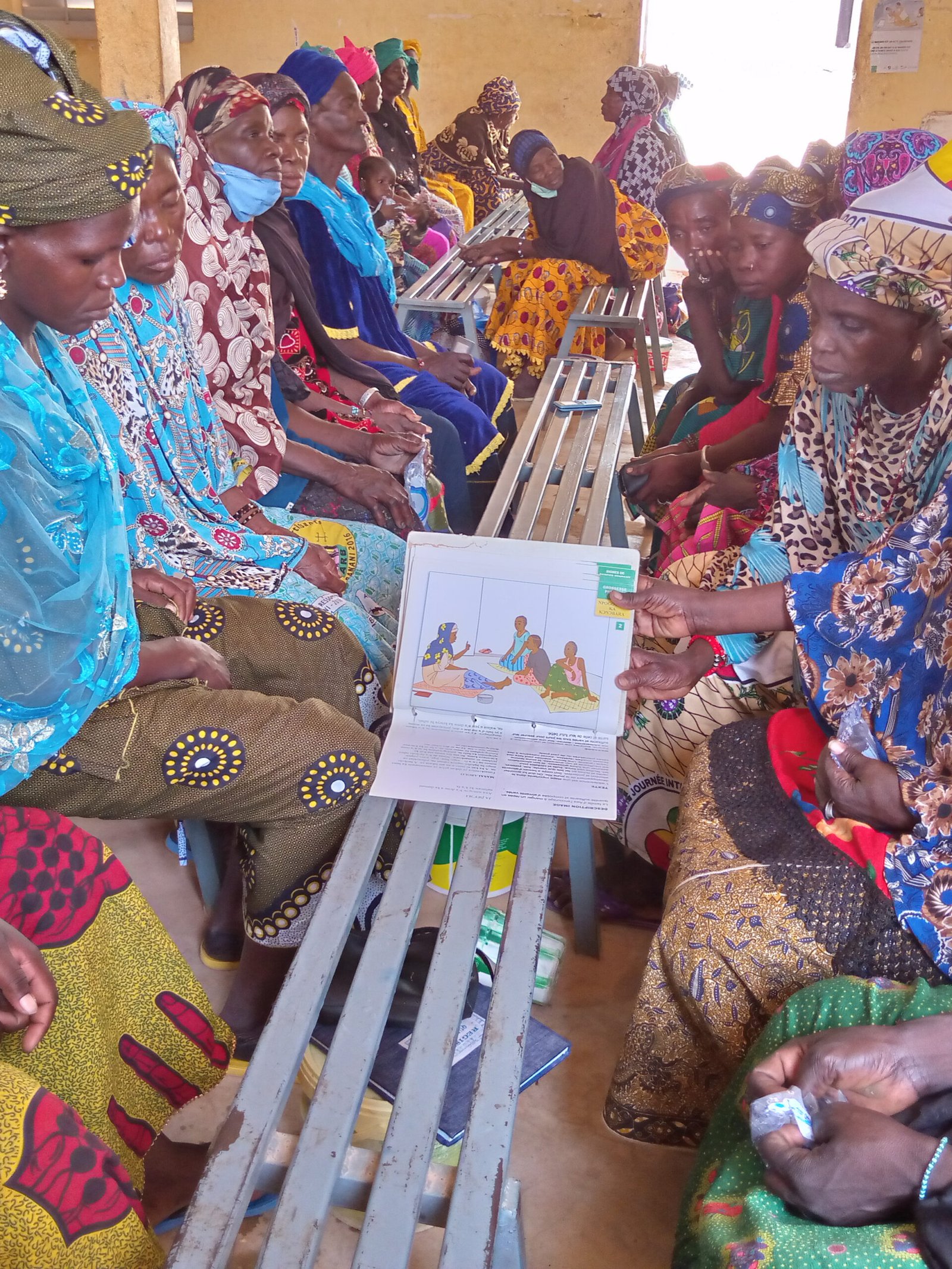
Our Stories
Dene – a Birth Attendant
I cherished the work of my late mother, who was one of the best Birth Attendants in the whole area. I was her Assistant. Today I am 65 years old and I have been working as a Birth Attendant for 10 years.
We carry out the delivery in the pregnant woman’s house. At the time when the woman has to give birth we send the men and children outside. The problem is that if the delivery happens around dusk or at night, the rooms are dark. The only light is that of a torch. We encounter complicated cases when the child presents by the feet, when the woman is very weak and cannot push, and when the woman cannot deliver the placenta.
Another difficulty is that when she does not manage to give birth and we have to accompany the woman to the health centre, the roads are very bad and it is very tiring and dependent on men (for the transport).